
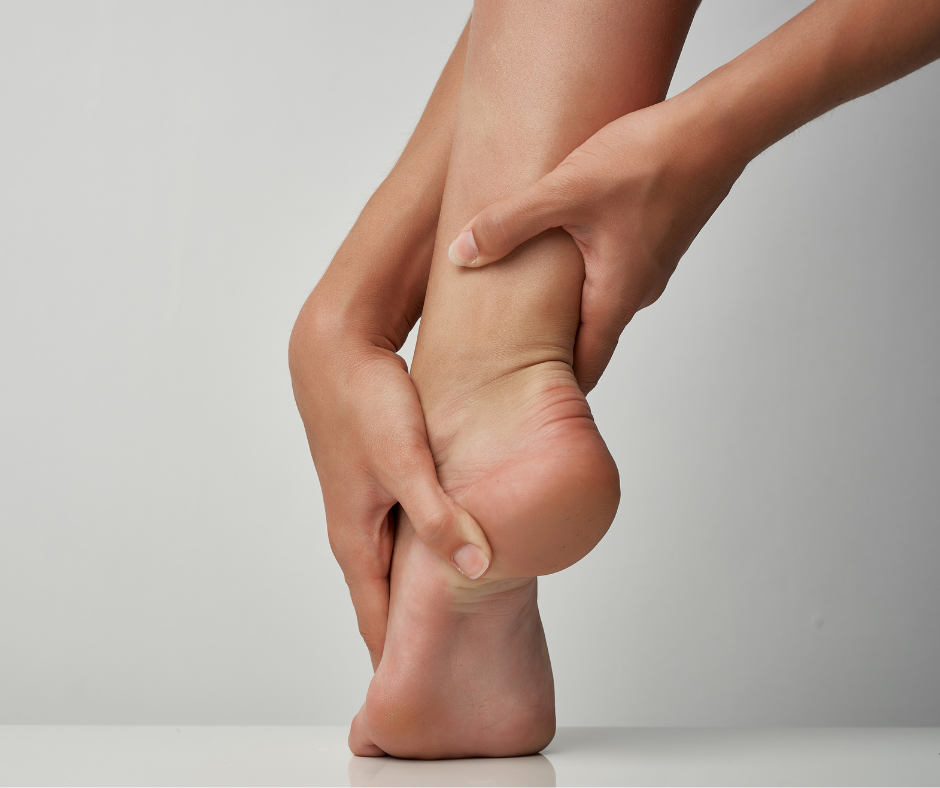
Foot & Ankle Tendonitis: Symptoms, Causes, and Recovery
If you’ve been searching for why the back of your heel or the arch of your foot won’t stop aching, you’ve likely come across the term tendonitis.
In our podiatry practice, tendonitis is one of the most common sports medicine categories we treat, yet it is often misunderstood as “just a sore muscle.” Tendonitis is the inflammation or irritation of a tendon, the thick fibrous cords that attach muscle to bone. In the feet and ankles, these tendons bear the entire weight of your body, making them highly susceptible to overuse injuries. Oak Foot & Ankle elaborates below.
The “Big Three” Types of Foot Tendonitis
While there are many tendons in the foot, most patients we see fall into one of these three categories:
- Achilles Tendonitis: Pain at the back of the heel or just above it. This is the largest tendon in the body and is a primary “core service” area for athletes and runners.
- Posterior Tibial Tendonitis: Pain along the inside of the foot and ankle. This tendon supports your arch; if left untreated, it can lead to “fallen arches” or adult-acquired flatfoot.
- Peroneal Tendonitis: Pain along the outside edge of the ankle and foot. This is frequently seen in patients who have a history of ankle sprains or high arches.
How to Tell: Is it Tendonitis or Something Else?
Common search queries often ask: “How do I know if I have tendonitis or a fracture?”
Look for these hallmark signs:
- Gradual Onset: Unlike a break or a sprain, tendonitis usually starts as a dull ache that gets worse over time.
- Morning Stiffness: The “first step” in the morning is often the most painful, as the tendon has tightened overnight.
- Point Tenderness: You can usually pinpoint exactly where it hurts by pressing along the path of the tendon.
- Swelling or a “Bump”: In chronic cases (tendinosis), the body may create a thickened nodule of scar tissue on the tendon.
Our Sports Medicine Approach to Treatment
Because our practice focuses on advanced sports medicine, we move beyond just “resting” the foot. Our Alpha-level treatment protocols include:
- Biomechanical Analysis: We look at why the tendon is failing. Often, it’s due to improper footwear or gait imbalances that can be corrected with custom orthotics.
- Advanced Imaging: Using in-office ultrasound, we can see the tendon in motion to determine the extent of the inflammation or if a tear is present.
- Multi-Phase Recovery: We don’t just stop the pain; we strengthen the “core” mechanics of your foot to prevent the tendonitis from returning.
When to Seek Professional Help
Many people try the DIY “RICE” method (Rest, Ice, Compression, Elevation). However, you should book an appointment if:
- The pain persists for more than two weeks despite rest.
- You hear a “pop” or feel a sudden snap (this could indicate a rupture).
- The pain prevents you from completing your normal daily walk or workout.
- You notice the shape of your arch changing or collapsing.
Don’t ignore the ache. Foot tendonitis is highly treatable in its early stages, but chronic “tendinosis” can lead to long-term mobility issues.
Ready to get back to your active lifestyle? Oak Foot and Ankle in Oak Lawn, IL, provides expert podiatric care for patients of all ages. Specializing in sports medicine, diabetic foot care, and innovative treatments, we help you stay active and comfortable. Need assistance? Contact us today!
