
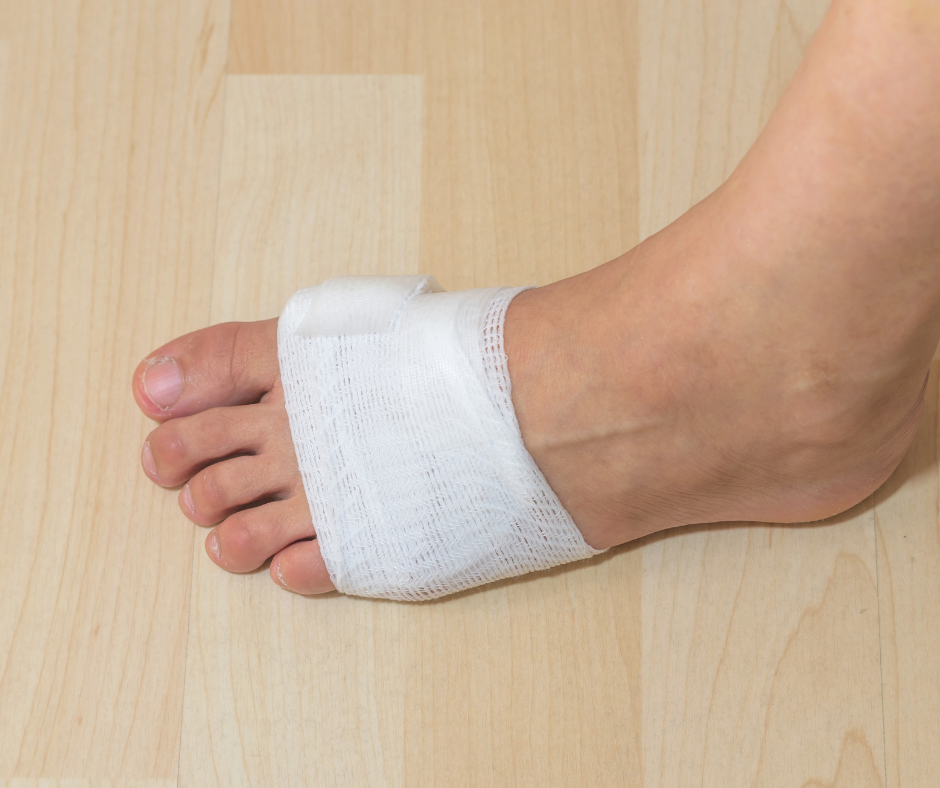
When Should You Worry About a Foot Wound?
The Danger of “Wait and See”
If you are wondering, “When should I worry about this cut on my foot?” the answer is usually sooner than you think.
At Oak Foot and Ankle, we often see patients who waited weeks (or even months) hoping a foot wound would magically disappear. By the time they sit in our exam chair, a minor scrape has evolved into a deep, dangerous ulcer.
Because your feet are the furthest point from your heart, they naturally have the poorest circulation in your body, making them incredibly vulnerable to slow healing and aggressive infections. Keep reading for the definitive guide on when to stop waiting and start seeking medical intervention.
The “Red Flag” Wound Checklist
Do not let a minor wound compromise your mobility. If you check any of these boxes, your body is struggling to heal and requires professional podiatric care immediately:
- [ ] The 14-Day Rule: The wound has not significantly closed, scabbed, or improved after two weeks of basic home care.
- [ ] Visual Spreading: The redness and swelling are expanding outward from the wound, moving up your foot or ankle.
- [ ] Drainage and Odor: The wound is seeping clear fluid, yellow/green pus, or emitting a foul odor. (Odor is one of the most reliable indicators of a deep bacterial infection).
- [ ] The “Silent” Wound: You have a deep cut or blister, but you don’t feel any pain. This is a massive red flag for Peripheral Neuropathy (nerve damage).
The Diabetic Danger Zone
For patients with diabetes, the “wait and see” approach is never an option. High blood sugar creates a perfect storm for foot wounds:
- Neuropathy: You cannot feel the initial friction or cut, meaning the wound goes unnoticed while you continue to walk on it.
- Poor Circulation: Diabetes damages the tiny blood vessels in your feet, cutting off the oxygen and white blood cells necessary to repair tissue.
- Infection Risk: Bacteria thrive in high-sugar environments. A small blister can rapidly escalate into a severe bone infection (Osteomyelitis) that threatens the limb.
If you have diabetes, any break in the skin requires immediate professional attention.
The Oak Foot and Ankle Healing Protocol
Treating a chronic or non-healing wound requires precision. We use state-of-the-art techniques to bypass the biological roadblocks stopping your recovery.
Depending on the severity of the ulcer, our personalized treatment plans may include:
- Debridement: Safely removing dead or infected tissue so healthy cells can grow.
- Mechanical Offloading: Using specialized boots, casts, or padding to completely remove the weight and friction from the wound site while you walk.
- Advanced Therapies: For highly complex wounds, we utilize cutting-edge solutions like skin grafting and the application of biological growth factors to actively stimulate cellular repair.
Don’t Risk Your Foundation
Time is tissue. An untreated foot ulcer can drastically impact your daily life, mobility, and overall health. If you have a wound that refuses to close, stop relying on drugstore bandages. We can help you get your mobility back…and your peace of mind, too.
Oak Foot and Ankle in Oak Lawn, IL, provides expert podiatric care for patients of all ages. Specializing in sports medicine, diabetic foot care, and innovative treatments, we help you stay active and comfortable. Need assistance? Contact us today!
