
Your Daily Diabetic Foot Care Checklist: How to Prevent Complications
It’s still November, and that means it’s still National Diabetes Awareness Month!
At Oak Foot and Ankle, our goal is to be your partner in prevention. We’ve seen firsthand how a proactive, consistent routine can prevent serious complications before they ever begin. If you are living with diabetes, managing your foot health is one of the most important things you can do for your long-term mobility and overall well-being.
Below, you’ll find a simple, daily checklist to help you keep your feet healthy and strong.
Why Is This Daily Check So Important?
Diabetes can affect your feet in two major ways that create a high-risk situation:
- Nerve Damage (Neuropathy): You may develop numbness, tingling, or a complete loss of feeling. This is dangerous because you might not feel a small cut, blister, or pebble in your shoe.
- Poor Circulation (PAD): Diabetes can reduce blood flow to your feet, making it much harder for even a small injury to heal.
An “unfelt” injury combined with poor healing is the recipe for a non-healing wound, or a diabetic foot ulcer. Your daily routine is your first and best line of defense.
A Podiatrist’s 5-Minute Daily Foot Care Checklist
Managing diabetic foot health requires a proactive approach. Good care starts at home, so be sure to always…
1. Inspect Your Feet Every Day
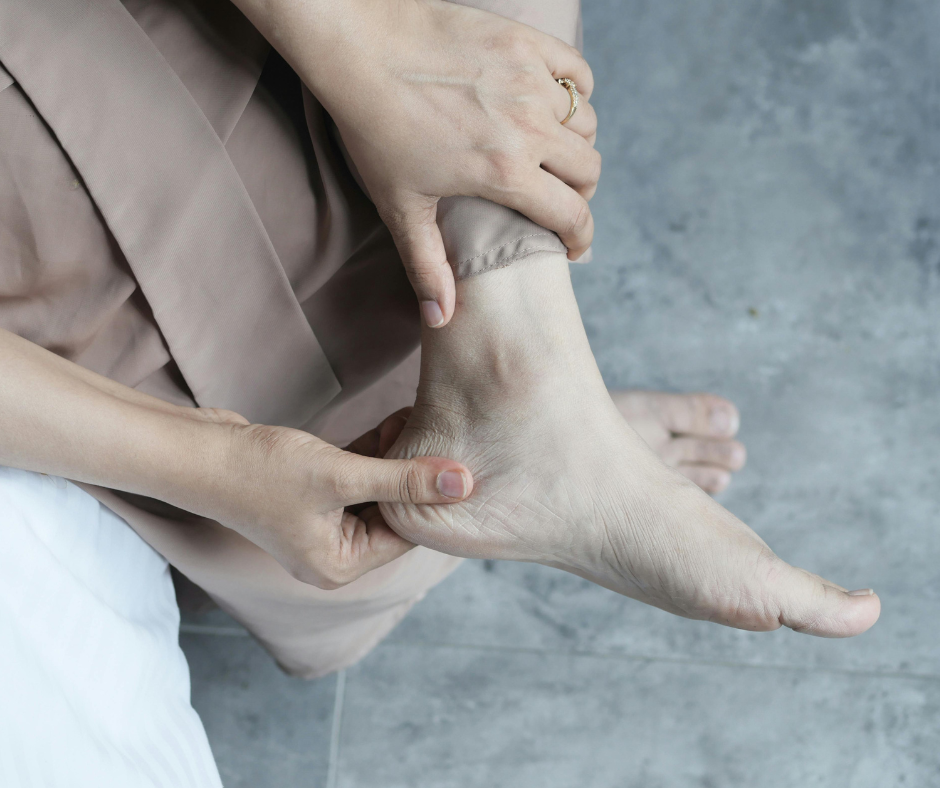
- What to do: In a well-lit room, visually inspect the tops, bottoms, heels, and sides of your feet, and check between every toe. Use a mirror or ask a family member for help if you can’t see the bottom of your feet.
- What to look for: Blisters, cuts, scratches, red spots, swelling, or changes in skin color.
2. Wash and (Thoroughly) Dry
- What to do: Wash your feet daily with mild soap in lukewarm—not hot—water. Test the water with your elbow, not your foot, to prevent burns.
- The Critical Step: Dry your feet completely with a soft towel, paying special attention to drying between your toes. Trapped moisture can lead to fungal infections.
3. Moisturize (But Not Everywhere)
- What to do: Apply a thin layer of lotion to the tops and bottoms of your feet to prevent dry, cracked skin.
- What to avoid: Do not put lotion between your toes. This can create a damp environment that encourages infection.
4. Check Your Footwear (Inside and Out)
- What to do: Before you put on your shoes, always shake them out and slide your hand inside. Feel for any pebbles, torn lining, or other foreign objects that you might not be able to feel with your feet. Be ESPECIALLY careful before exercise!
- What to wear: Wear seamless, moisture-wicking socks. Avoid tight shoes that rub; proper-fitting footwear is a necessity.
5. Trim Your Nails with Care
- What to do: Cut your toenails straight across. Do not curve the edges or cut them too short, as this can lead to painful ingrown toenails.
- When to call us: If you have trouble reaching your feet, have poor eyesight, or have thick, hard-to-cut nails, let us handle your routine nail care safely in our office.
Act Fast and Protect Your Health!
Don’t wait for a problem. If you have diabetes, schedule a comprehensive foot exam with us at least once a year. We’ll check your nerve function, assess your circulation, and make sure you have the right footwear and education to walk with comfort and confidence.
Oak Foot and Ankle in Oak Lawn, IL, provides expert podiatric care for patients of all ages. Specializing in sports medicine, diabetic foot care, and innovative treatments, we help you stay active and comfortable. Need assistance? Contact us today!
