
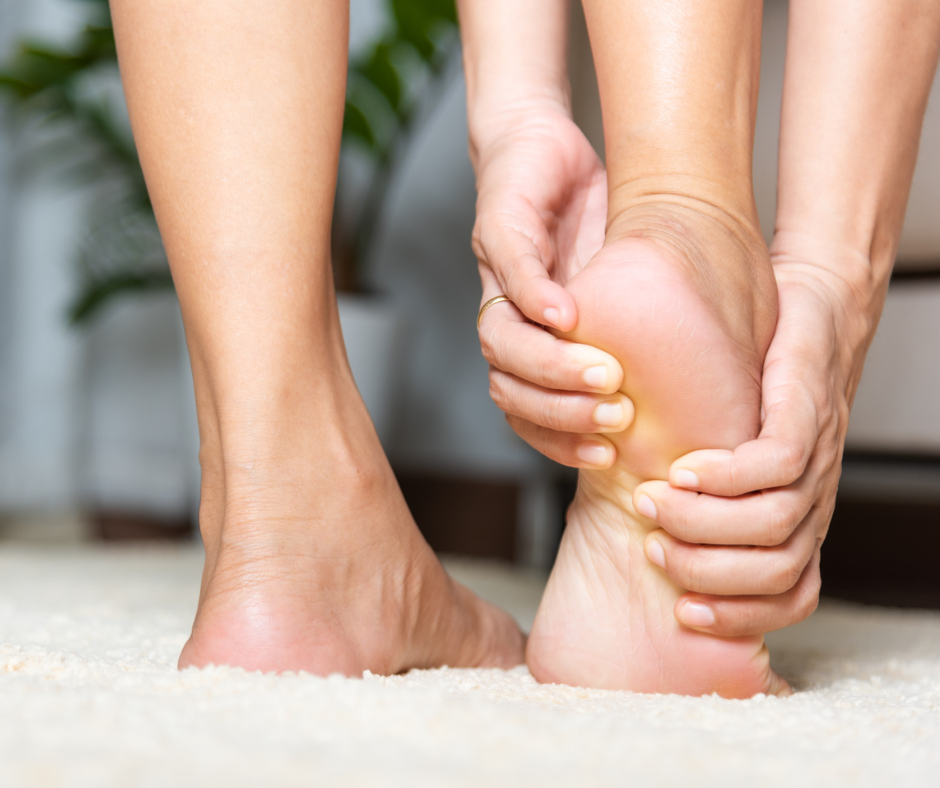
“Why Do My Feet Hurt at Home?”
A Podiatrist’s Q&A on House Slippers and Heel Pain
If you are spending more time working from home or relaxing indoors as the weather cools down, you might be noticing a sudden sharp pain in your arches or heels. At Oak Foot and Ankle, we have compiled the most common questions we get about house slippers, hardwood floors, and plantar fasciitis to help you understand exactly what is happening to your feet (and how to fix it!).
The Quick Answer (TL; DR)
Q: Can house slippers cause foot pain?
Yes. Wearing flat, unsupportive house slippers (especially those made of memory foam) on hard indoor floors forces your arch to collapse and aggressively stretches the plantar fascia ligament.
- This lack of structural support is a leading cause of indoor Plantar Fasciitis, Achilles tendonitis, and worsening hammertoes.
- To fix this, switch from generic slippers to “indoor-only” athletic sneakers or podiatrist-approved recovery slides with rigid arch support.
Expert Q&A: Uncovering the Root Cause of Indoor Foot Pain
Q: Why do my heels hurt when I walk on hardwood floors?
A: Human feet were not biomechanically designed to walk on perfectly flat, unyielding surfaces like hardwood, tile, or linoleum.
- When you walk barefoot or in flat socks on a hard floor, your foot absorbs 100% of the impact force.
- Without a supportive shoe to absorb that shock and properly distribute your body weight across your kinetic chain, the thick band of tissue on the bottom of your foot (the plantar fascia) becomes severely inflamed.
- This micro-tearing results in sharp, chronic heel pain.
Q: Are memory foam house slippers bad for your feet?
A: While memory foam feels incredibly soft when you first put it on, it is generally terrible for foot mechanics.Memory foam provides absolutely zero structural support.
- Within minutes of standing, your body weight completely compresses the foam down to the hard floor beneath it.
- Your foot is left to absorb the shock, and your arch is allowed to roll inward (overpronate), which accelerates joint fatigue, arch cramps, and ligament tearing.
Q: Can backless slippers or “scuffs” cause hammertoes?
A: Yes. When you wear a backless slipper or slip-on scuff, there is no heel counter holding the shoe to your foot.
- To keep the slipper from flying off when you walk, your toes are forced to subconsciously “clutch” or “grip” the bottom of the shoe with every single step.
- Over time, this unnatural, repetitive gripping motion accelerates the development of rigid, bent hammertoes and severe top-of-toe calluses.
Q: What is the “Morning Hobble” and how do I stop it?
A: The “morning hobble” refers to the severe, stabbing pain in your heel during your first few steps out of bed, which is the hallmark symptom of Plantar Fasciitis.
- When you sleep, your inflamed plantar fascia ligament tightens up. Your first step forcefully stretches that inflamed tissue.
- To stop the cycle of tearing, you must wear supportive footwear during the day to allow the ligament to heal, and you may need custom orthotics to correct your overall foot alignment.
Q: What are the best indoor shoes to prevent foot pain?
A: You do not need to wear heavy boots indoors, but you do need structure. The doctors at Oak Foot and Ankle recommend the following alternatives to flat, fluffy slippers:
- The “Indoor Sneaker”: Purchase a clean, supportive pair of lace-up athletic running shoes and strictly designate them as your “indoor only” shoes.
- Orthotic Recovery Slides: Look for slip-on recovery sandals or structured slippers that feature deep, rigid heel cups and built-in medical-grade arch support.
- Custom Orthotics: If you have enclosed slippers or indoor boots you love, we can engineer prescription custom orthotics to fit inside them, keeping your alignment perfect.
Stop Living with At-Home Heel Pain
Your home should be a place of relaxation, not a source of chronic joint pain. If you have ditched the flat slippers but are still experiencing throbbing heels or arch cramps, it is time to seek professional care before the inflammation worsens.
Ready to get back to your active lifestyle? Steven L. Gelsomino, Dr. Anas Kachlan, and Dr. Dominic (Nic) Andriacchiprovide expert podiatric care for patients of all ages. Specializing in sports medicine, diabetic foot care, and innovative treatments, Oak Foot & Ankle helps you stay active and comfortable. Need assistance? Contact us today!
